 English
 Russian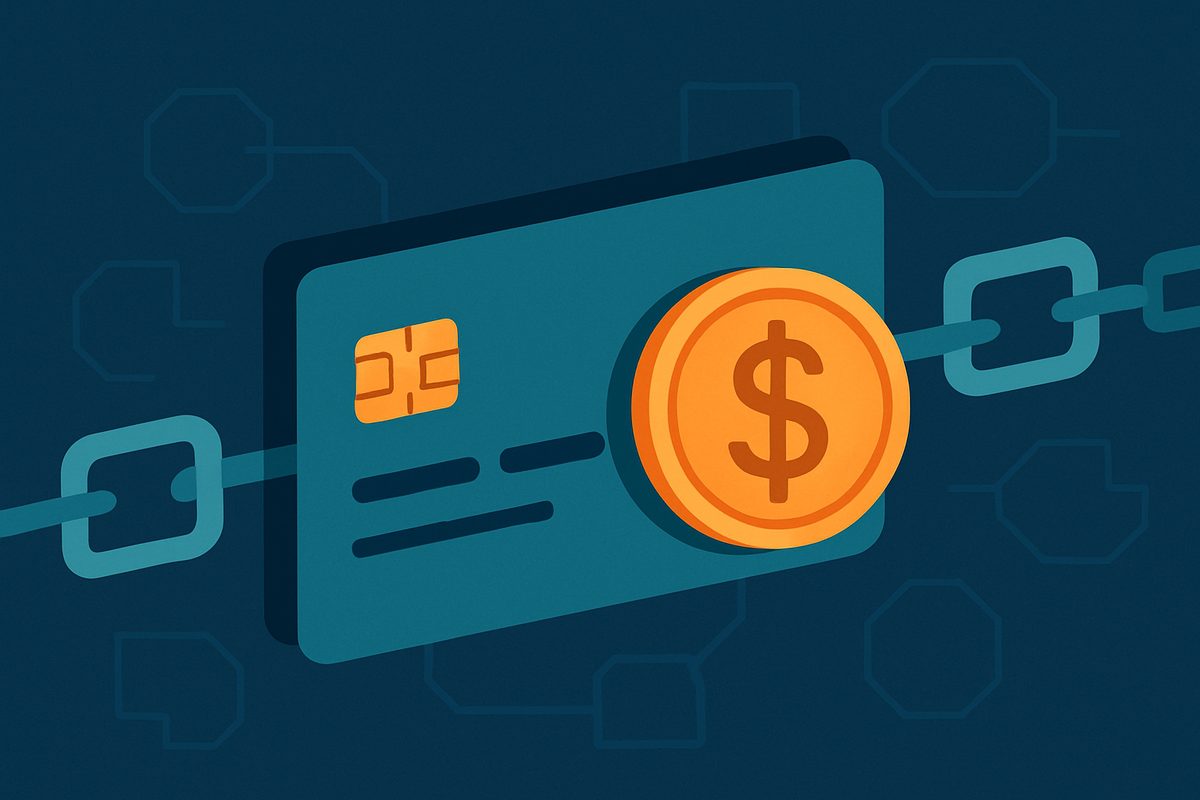
This week, SoFi began settling debit and credit card transactions with Mastercard in the SoFiUSD stablecoin and is migrating its entire card program to blockchain-based settlements. The expected annual transaction volume exceeds $25 billion.
Blockchain Settlements Replace Bank Correspondent Accounts, Not Card Networks
According to a SoFi spokesperson, the transition does not remove intermediaries from the card clearing process, but instead offers alternative on-chain rails for interparticipant settlements. For cardholders, the changes are seamless: they pay as usual, while the bank gains the ability to settle transactions more quickly. In a March memo, Federal Reserve researchers noted that stablecoins could change the economics of payments without removing banks from the chain.
Experts: This Is Not Disintermediation
Gravity Team co-founder Martins Benkitis believes that Visa and Mastercard networks and banks remain part of the process: the network settles obligations, manages the transaction, and defines participant interactions.
Visa Reported $7B Annualized Run Rate for Pilot in April
Visa is also moving settlements on-chain: in April, the company stated that its stablecoin settlement pilot had reached a $7 billion annualized run rate and gained support from nine blockchains, calling blockchain settlements a "viable complement" to traditional rails.
Faster Does Not Always Mean Cheaper for Businesses
Investor Varun Datta notes that continuous settlements can reduce delays and the need to allocate capital across locations, especially in cross-border payments. However, speed does not guarantee lower costs: expenses for conversion, compliance, integration, and stablecoin management remain. He expects to see confirmation of reduced total costs and improved liquidity management at scale. According to Benkitis, completing payments in developing countries can be more complex due to the need to convert into local currencies.